
Introduction
Oral hygiene: how to keep your teeth strong is an important topic for maintaining overall health. Many people ignore dental care until they face pain or serious problems. Poor oral hygiene can lead to cavities, gum disease, and bad breath.
Understanding oral hygiene: how to keep your teeth strong helps you protect your teeth from damage and keep your smile healthy. Simple daily habits can make a big difference in maintaining strong teeth for life.
What is Oral Hygiene?
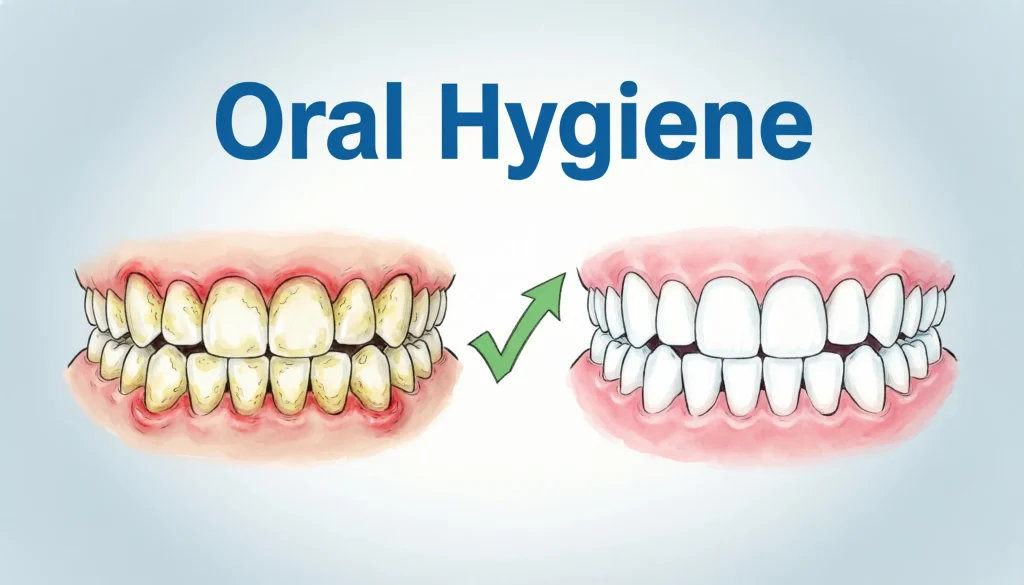
Oral hygiene means keeping your mouth, teeth, and gums clean and healthy. It includes brushing, flossing, and regular dental care.
Following proper oral hygiene: how to keep your teeth strong ensures that harmful bacteria do not damage your teeth and gums.
Why Oral Hygiene is Important
Maintaining oral hygiene: how to keep your teeth strong is important because your mouth is the entry point to your body. Poor dental care can affect overall health.
Good oral hygiene helps:
• Prevent tooth decay
• Avoid gum disease
• Keep breath fresh
• Maintain strong teeth
• Improve overall health
10 Tips for Oral Hygiene: How to Keep Your Teeth Strong
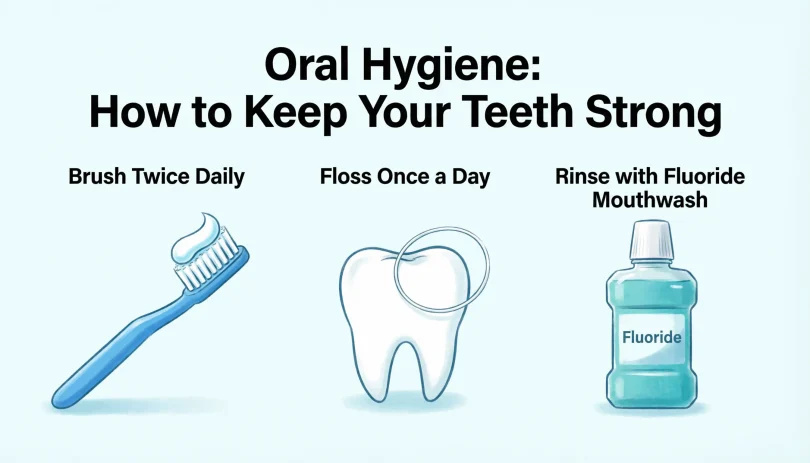
1. Brush Twice Daily
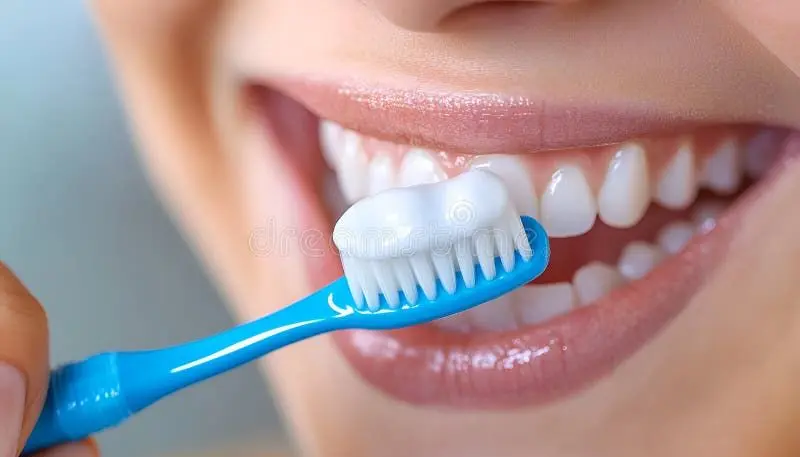
Brushing your teeth twice a day removes plaque and bacteria. Use a fluoride toothpaste and brush for at least 2 minutes.
This is the most basic step in oral hygiene: how to keep your teeth strong.
2. Use Proper Brushing Technique
Brush gently in circular motions. Do not brush too hard as it can damage gums and enamel.
3. Floss Daily
Flossing removes food particles between teeth where a brush cannot reach. It is essential for complete oral hygiene.
4. Use Mouthwash
Mouthwash helps kill bacteria and keeps your breath fresh. Choose an alcohol-free mouthwash for better results.
5. Limit Sugary Foods
Sugary foods increase the risk of cavities. Reduce intake of sweets, sodas, and processed foods.
6. Drink Plenty of Water
Water helps wash away food particles and keeps your mouth clean. Staying hydrated supports oral hygiene: how to keep your teeth strong.
7. Eat Healthy Foods
Include calcium-rich foods like milk, yogurt, and leafy vegetables. These strengthen teeth and gums.
8. Avoid Smoking
Smoking damages gums and stains teeth. It also increases the risk of oral diseases.
9. Replace Your Toothbrush Regularly
Change your toothbrush every 3 months or when bristles become worn out.
10. Visit the Dentist Regularly
Regular check-ups help detect problems early and keep your teeth strong and healthy.
Benefits of Good Oral Hygiene
• Strong and healthy teeth
• Fresh breath
• Reduced risk of cavities
• Healthy gums
• Better overall health
Common Mistakes to Avoid
• Brushing too hard
• Skipping flossing
• Ignoring dental check-ups
• Eating too much sugar
• Not replacing toothbrush
1. How often should I brush my teeth?
You should brush twice a day, in the morning and before bed.
2. Is flossing really necessary?
Yes, flossing removes food particles and plaque between teeth.
3. Can poor oral hygiene affect overall health?
Yes, it can lead to infections and other health problems.
4. How often should I visit a dentist?
At least every 6 months for a check-up.
5. What foods strengthen teeth?
Calcium-rich foods like milk, cheese, and vegetables help strengthen teeth.
6. Does drinking water help oral health?
Yes, it helps clean the mouth and prevent bacteria buildup.
Expert Tips
• Brush gently and regularly
• Use fluoride toothpaste
• Drink plenty of water
• Avoid smoking
• Maintain a balanced diet
Conclusion
Oral hygiene: how to keep your teeth strong is essential for a healthy life. Simple habits like brushing, flossing, and eating healthy foods can protect your teeth from damage.
By following proper oral hygiene: how to keep your teeth strong, you can maintain strong teeth, healthy gums, and a confident smile for years to come.