
Introduction
Losing weight effectively requires more than just cutting calories—it requires a well-thought-out plan that nourishes your body while promoting fat loss. A balanced diet for weight loss ensures you get the right amount of proteins, carbohydrates, fats, vitamins, and minerals, helping you stay healthy, energetic, and satisfied. Many beginners make the mistake of skipping meals or following fad diets, which can backfire in the long run. This article will guide you step by step on how to plan a diet that supports your weight loss goals sustainably.
Planning a balanced diet for weight loss is not about starving yourself. Instead, it focuses on smart food choices, portion control, and meal timing. With the right strategy, you can lose weight while still enjoying a variety of delicious meals. Whether you are a beginner or have some experience with dieting, following a structured approach can improve your results and make your journey more enjoyable. In this guide, you will learn how to create meal plans, incorporate healthy foods, and maintain consistency.
What is a Balanced Diet for Weight Loss?
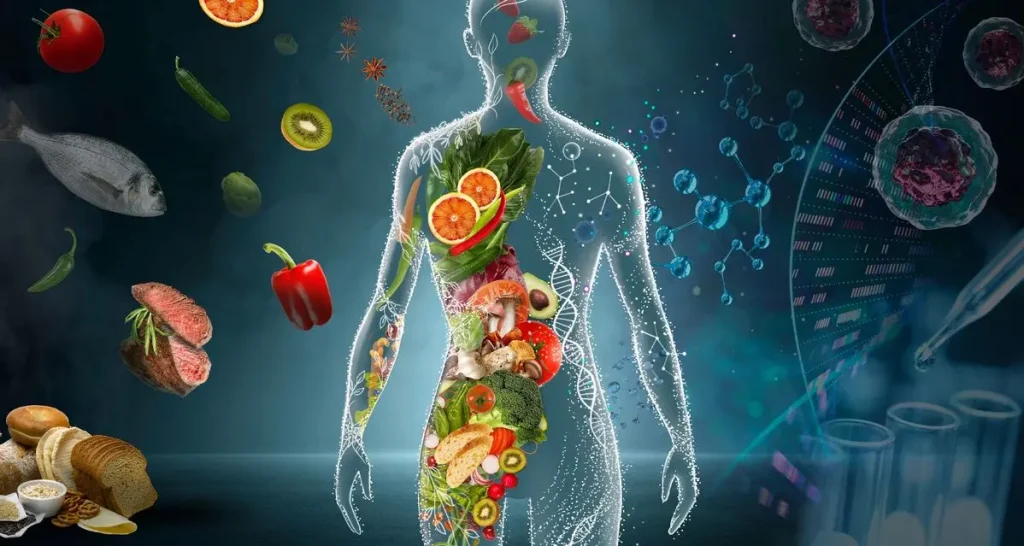
A balanced diet for weight loss is a nutritional plan that includes the right proportions of macronutrients—proteins, carbohydrates, and healthy fats—along with sufficient vitamins, minerals, and fiber. The goal is to provide enough energy for daily activities while creating a caloric deficit for weight loss.
Key elements include:
- Proteins: Support muscle maintenance and satiety.
- Carbohydrates: Provide energy, preferably from whole grains and vegetables.
- Healthy Fats: Essential for hormone regulation and brain health.
- Micronutrients: Vitamins and minerals for overall wellness.
- Fiber: Promotes digestion and reduces overeating.
A balanced diet does not rely on extreme restrictions or eliminating entire food groups. Instead, it emphasizes variety, portion control, and nutrient-dense foods. This approach is sustainable and supports long-term weight management.
Why is a Balanced Diet for Weight Loss Important?

- Prevents Nutrient Deficiency: Cutting calories without planning may cause vitamin and mineral deficiencies.
- Supports Metabolism: Proper nutrients keep your metabolism functioning efficiently.
- Maintains Muscle Mass: Adequate protein intake ensures you lose fat, not muscle.
- Reduces Cravings: A diet rich in fiber and protein helps control hunger.
- Promotes Sustainable Weight Loss: Extreme diets often lead to rebound weight gain.
Following a balanced diet for weight loss ensures you achieve your goals safely while improving energy, mood, and overall health.
Detailed Step-by-Step Guide
Step 1: Calculate Your Daily Calorie Needs
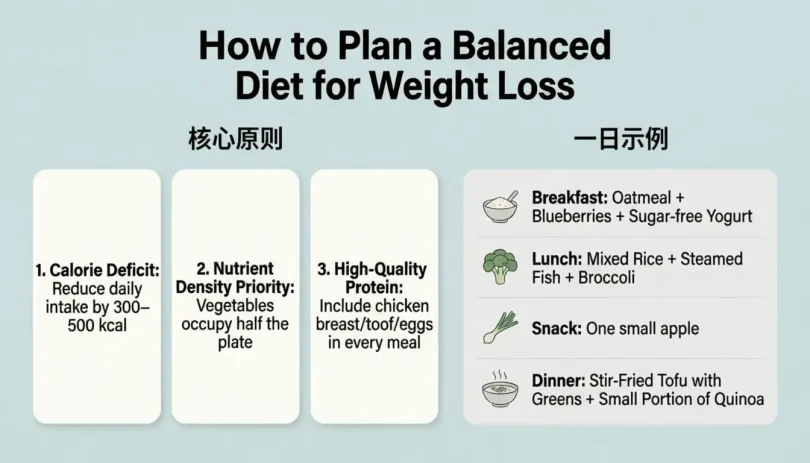
Before planning meals, you need to know how many calories your body requires to maintain weight. Use your age, weight, height, activity level, and weight loss goals to estimate your daily caloric intake. A moderate caloric deficit of 500–750 calories per day usually leads to safe weight loss of 0.5–1 kg per week.
Step 2: Determine Macronutrient Ratios
A typical macronutrient breakdown for weight loss:
- Protein: 25–30% of daily calories
- Carbohydrates: 40–50% from whole grains, fruits, and vegetables
- Healthy Fats: 20–25% from nuts, seeds, avocado, and olive oil
These ratios can be adjusted based on your preferences and activity level.
Step 3: Plan Your Meals
Breakfast: Include a source of protein and fiber. Example: oatmeal with Greek yogurt and berries.
Lunch: Balance protein, carbs, and healthy fats. Example: grilled chicken salad with quinoa and olive oil dressing.
Dinner: Keep it lighter but nutritious. Example: steamed fish with roasted vegetables and a small portion of brown rice.
Snacks: Healthy options to prevent overeating at meals. Example: a handful of nuts, fruit, or hummus with vegetables.
Step 4: Focus on Nutrient-Dense Foods
- Proteins: Lean meats, eggs, tofu, legumes
- Carbohydrates: Whole grains, oats, brown rice, sweet potatoes
- Fats: Olive oil, nuts, seeds, fatty fish
- Fruits & Vegetables: Diverse colors for maximum nutrients
Step 5: Stay Hydrated
Water aids digestion, metabolism, and satiety. Aim for at least 8–10 glasses a day. Herbal teas and infused water are good alternatives.
Step 6: Monitor Portion Sizes
Using smaller plates and measuring portions prevents overeating. Track your intake with apps or journals to stay on track.
Step 7: Plan for Flexibility
Include occasional treats to prevent feeling deprived. Moderation is key, not elimination.
Benefits of a Balanced Diet for Weight Loss
- Effective fat loss while preserving muscle
- Improved energy and mental clarity
- Better digestion and gut health
- Reduced cravings and hunger pangs
- Lower risk of chronic diseases like diabetes and heart disease
- Sustainable and flexible approach for long-term success
Disadvantages / Risks
- May require meal prep and planning, which can be time-consuming
- Initial cost of fresh produce and lean proteins may be higher
- Overly restrictive portion control can lead to feelings of deprivation if not done correctly
- Ignoring personal preferences may reduce adherence
Common Mistakes to Avoid
Inconsistent tracking of meals
Skipping meals to reduce calories
Eliminating entire food groups
Relying on processed “low-calorie” foods
Not drinking enough water
Ignoring portion sizes
Overeating healthy foods
How many meals should I eat per day for weight loss?
Typically, 3 balanced meals with 1–2 healthy snacks work well. Consistency is more important than frequency.
Can I eat carbs and still lose weight?
Yes, focus on complex carbs like whole grains, oats, and vegetables for sustained energy.
How important is protein in a weight loss diet?
Very important. Protein preserves muscle mass and keeps you full longer, aiding fat loss.
Are cheat meals allowed?
Yes, occasional cheat meals prevent cravings and make the diet sustainable. Moderation is key.
How do I know if my diet is balanced?
Your plate should include protein, carbs, healthy fats, and a variety of colorful fruits and vegetables.
Can I follow a plant-based balanced diet for weight loss?
Absolutely. Include legumes, tofu, tempeh, whole grains, nuts, seeds, and vegetables to meet nutritional needs.
How long will it take to see results?
With consistency, most people notice changes in 4–6 weeks. Individual results vary.
Should I take supplements?
Supplements may help if you have deficiencies, but whole foods should be the priority.
Expert Tips & Bonus Points
- Meal Prep in Advance: Cook proteins and chop vegetables ahead to save time
- Include Fiber: Fiber-rich foods like oats and vegetables improve satiety
- Track Your Progress: Take measurements, photos, or use apps
- Listen to Your Body: Eat when hungry, stop when full
- Combine Diet with Exercise: Strength training + cardio enhances results
- Mindful Eating: Focus on your meal, avoid distractions like TV or phone
Conclusion
A balanced diet for weight loss is not about drastic restrictions or quick fixes. It is about making informed choices, eating a variety of nutrient-rich foods, and creating a sustainable calorie deficit. Following this approach ensures fat loss while maintaining energy, muscle mass, and overall well-being.
Consistency, meal planning, and listening to your body are the keys to success. By incorporating lean proteins, whole grains, healthy fats, and plenty of fruits and vegetables, you can enjoy a variety of meals while achieving your weight loss goals. Remember, moderation and flexibility make the diet sustainable, helping you maintain results for the long term.
Start today by assessing your calorie needs, planning your meals, and committing to a structured yet flexible approach. Over time, these small, consistent changes can lead to significant improvements in your weight, health, and overall lifestyle.