
Introduction
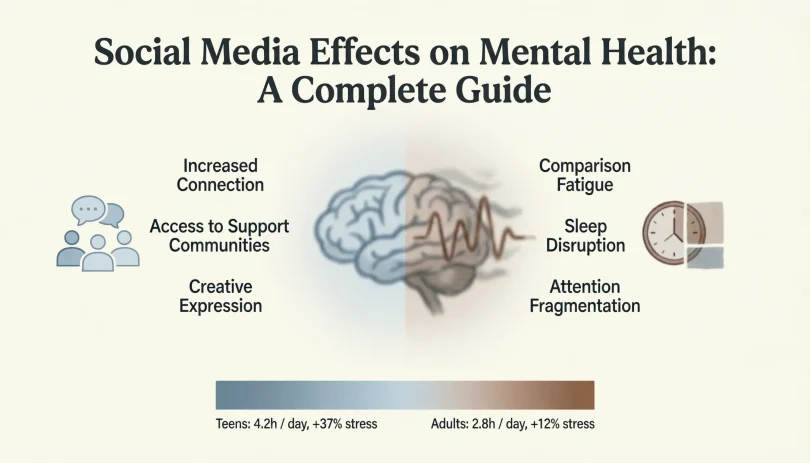
Social Media Effects on Mental Health have become one of the most discussed topics in today’s digital world. Almost everyone uses social media platforms daily, whether for communication, entertainment, or information. While these platforms connect people globally, they also influence emotions, thoughts, and behavior in powerful ways. Understanding how social media affects mental well-being is important for maintaining a balanced and healthy life.
In recent years, researchers and mental health professionals have closely examined Social Media Effects on Mental Health. Many people experience mood changes, anxiety, comparison, and even low self-esteem after spending long hours online. At the same time, social media can provide support, inspiration, and community. This guide will explore both positive and negative sides, explain the Impact of Social Media on Youth, and provide practical steps to manage digital habits wisely.
What is How Social Media Affects Mental Health?
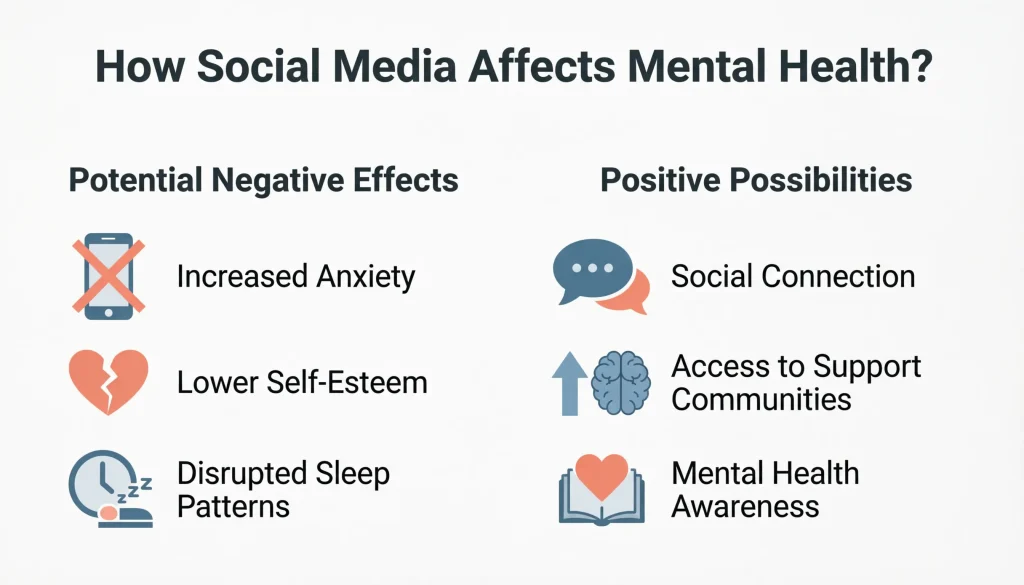
How Social Media Affects Mental Health refers to the emotional, psychological, and behavioral influence that online platforms have on individuals. Social media includes apps and websites where users share photos, videos, opinions, and personal updates.
Mental health includes emotional stability, stress levels, self-confidence, and overall psychological well-being. When social media usage becomes frequent, it can directly shape how people think about themselves and others.
Some common ways social media affects mental health include:
- Increasing comparison with others
- Creating pressure to appear perfect
- Causing fear of missing out (FOMO)
- Encouraging constant validation seeking
- Influencing sleep patterns
Understanding Social Media Effects on Mental Health helps individuals recognize unhealthy patterns early and take corrective steps.
Why is Social Media Effects on Mental Health Important?
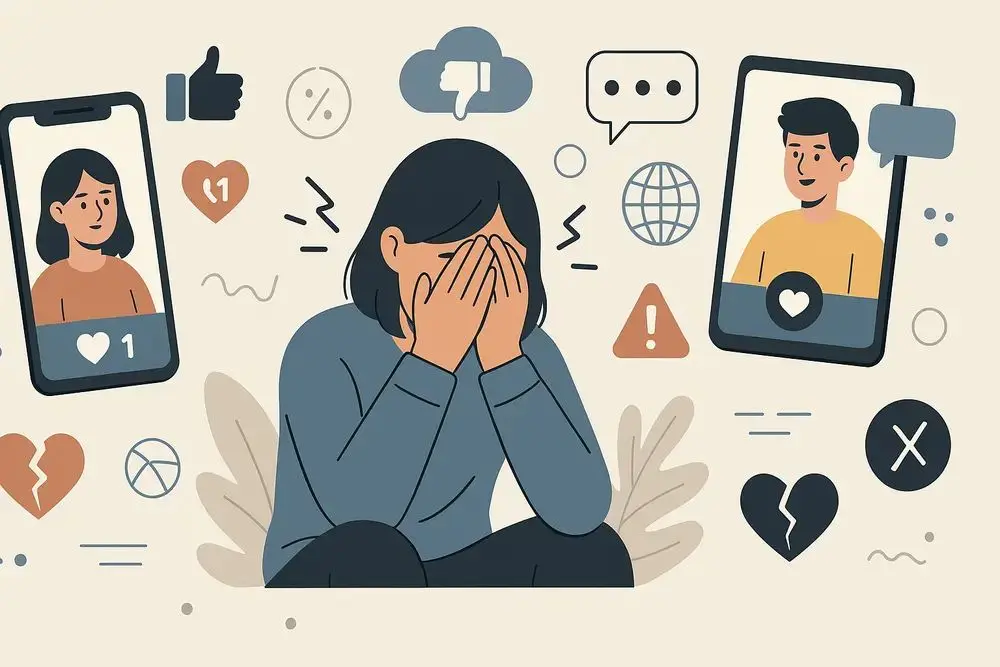
This topic is important because social media is deeply integrated into daily life. Ignoring its psychological influence can lead to long-term emotional problems.
Here’s why awareness matters:
- It helps prevent Social media addiction and anxiety.
- It protects self-esteem from online comparison.
- It guides parents in managing the Impact of Social Media on Youth.
- It supports healthier screen-time habits.
- It improves emotional resilience.
When people understand both the benefits and risks, they can make better choices instead of being controlled by digital habits.
Detailed Step-by-Step Guide to Managing Social Media Effects on Mental Health
Step 1: Track Your Screen Time
The first step is awareness.
Many smartphones provide screen-time reports. Check how many hours you spend daily on social platforms. If usage exceeds 2–3 hours outside work needs, consider reducing it.
Tracking usage highlights patterns linked to mood changes.
Step 2: Identify Emotional Triggers
Notice how you feel after scrolling.
Ask yourself:
- Do I feel inspired or drained?
- Do I compare myself to others?
- Do I feel anxious after reading comments?
Recognizing triggers helps you understand personal Social Media Effects on Mental Health.
Step 3: Limit Comparison
The Negative effects of Instagram on self-esteem often come from unrealistic beauty standards and lifestyle portrayals.
Remember:
- Most posts show highlights, not reality.
- Filters and editing create perfection illusions.
- Everyone faces struggles offline.
Reducing comparison protects emotional balance.
Step 4: Create Digital Boundaries
Set specific rules such as:
- No phone during meals
- No scrolling before bedtime
- One social media-free day per week
Boundaries reduce Social media addiction and anxiety.
Step 5: Curate Your Feed
Unfollow accounts that cause negativity or comparison.
Follow pages that promote:
- Education
- Motivation
- Mental health awareness
- Realistic content
Your feed shapes your mindset.
Step 6: Strengthen Offline Connections
The Impact of Social Media on Youth is stronger when real-life relationships are weak.
Spend time with family and friends offline. Face-to-face conversations improve emotional security and reduce loneliness.
Step 7: Practice Mindful Scrolling
Instead of endless scrolling:
- Log in with a purpose
- Engage intentionally
- Log out once finished
Mindful usage reduces impulsive behavior and emotional overload.
Step 8: Avoid Night-Time Usage
Late-night scrolling affects sleep quality. Poor sleep increases stress and irritability.
Keep devices away from bed to protect both physical and mental health.
Step 9: Seek Support if Needed
If you notice severe mood swings, anxiety, or withdrawal symptoms linked to social media, consider professional guidance.
Recognizing serious Social Media Effects on Mental Health early prevents long-term complications.
Benefits of Social Media Effects on Mental Health (Positive Side)
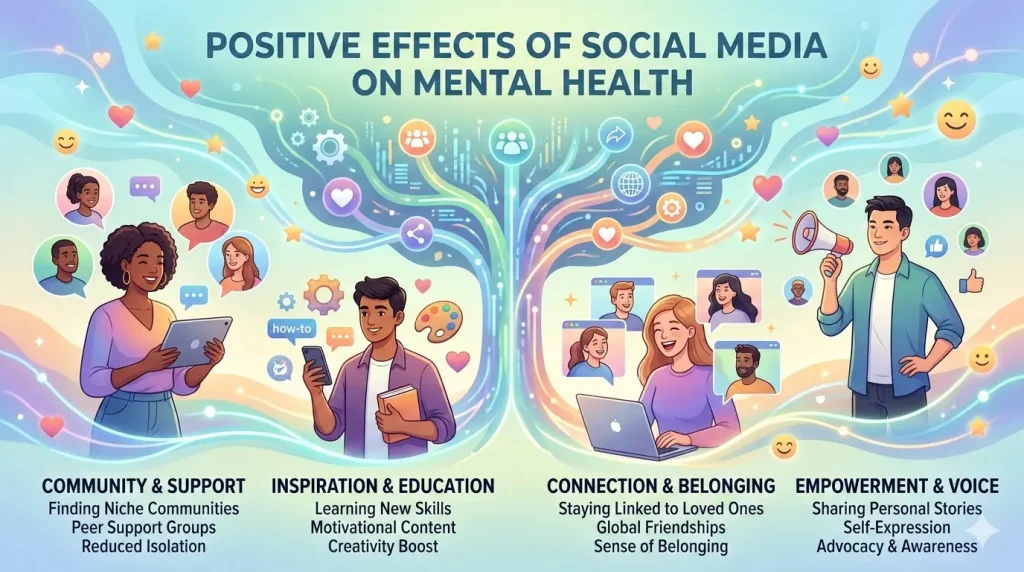
Although risks exist, social media also offers advantages:
- Provides emotional support communities
- Connects people globally
- Spreads mental health awareness
- Encourages creative expression
- Offers educational content
- Promotes business and career growth
- Helps maintain long-distance relationships
When used responsibly, social media can enhance well-being.
Disadvantages / Risks
However, there are clear dangers:
- Social media addiction and anxiety
- Cyberbullying
- Sleep disruption
- Negative effects of Instagram on self-esteem
- Unrealistic body image standards
- Reduced real-life social interaction
- Increased depression risk in vulnerable users
Balance is key to avoiding these issues.
Common Mistakes to Avoid
- Comparing your real life to online highlights
- Ignoring emotional reactions after scrolling
- Using social media as the only source of validation
- Oversharing personal information
- Engaging in online arguments
- Staying connected 24/7 without breaks
Avoiding these mistakes minimizes harmful Social Media Effects on Mental Health.
How does social media affect teenagers differently?
The Impact of Social Media on Youth is stronger because teenagers are still developing identity and self-esteem. They are more sensitive to peer approval and comparison.
Can social media cause anxiety?
Yes. Social media addiction and anxiety are closely linked. Constant notifications and comparison can increase stress levels.
Why does Instagram affect self-esteem?
The Negative effects of Instagram on self-esteem occur due to filtered images, unrealistic beauty standards, and public likes or follower counts.
Is quitting social media necessary?
Not always. Balanced and mindful use is usually enough. Complete quitting may help in severe cases of addiction.
How many hours of social media are safe?
Experts generally suggest limiting recreational use to 1–2 hours per day.
Can social media ever improve mental health?
Yes. Support groups, motivational pages, and educational communities can positively influence well-being.
Expert Tips & Bonus Points
- Turn off unnecessary notifications
- Remove apps during exam or busy periods
- Keep your phone out of reach while working
- Replace scrolling time with hobbies
- Practice gratitude daily
- Encourage open discussions about online pressure
- Teach children about digital literacy early
Consistency in small changes creates long-term improvement.
Conclusion
Social Media Effects on Mental Health are complex and deeply connected to modern life. While social platforms offer connection, learning opportunities, and entertainment, they also create risks such as anxiety, comparison, and low self-esteem. Understanding both sides allows individuals to use social media wisely instead of being controlled by it.
The Impact of Social Media on Youth deserves special attention, as younger users are more vulnerable to peer pressure and online validation systems. At the same time, recognizing issues like Social media addiction and anxiety helps people seek timely support. By setting boundaries, practicing mindful scrolling, strengthening offline relationships, and curating positive content, users can protect their emotional well-being.
In the end, social media itself is not the problem. The way it is used determines its effect. With awareness, balance, and intentional habits, it is possible to enjoy digital connection while maintaining strong mental health.