
Introduction
Hydration: How Much Water Do You Really Need is a question many people ask when trying to maintain a healthy lifestyle. Water plays a vital role in almost every function of the human body. From regulating body temperature to supporting digestion and transporting nutrients, proper hydration is essential for overall well-being. Despite this, many people still do not drink enough water during the day.
Understanding hydration is important because the body constantly loses water through breathing, sweating, and normal body processes. If this lost fluid is not replaced, dehydration can occur. Even mild dehydration may cause fatigue, headaches, poor concentration, and reduced physical performance.
The idea that everyone must drink exactly eight glasses of water a day is not always accurate. The amount of water a person needs depends on several factors including age, activity level, climate, and overall health. Some people may need more water, while others may need slightly less.
By learning about proper hydration for health and understanding daily water intake recommendations, it becomes easier to maintain a healthy balance. This guide explains how much water the body actually needs, the benefits of drinking enough water, and simple tips to stay properly hydrated every day.
What is Hydration?
Hydration refers to maintaining the right balance of fluids in the body. The human body is made up of about 60 percent water, which means water is essential for survival.
Water helps the body perform many important tasks, including:
- Carrying nutrients to cells
- Removing waste products
- Regulating body temperature
- Supporting digestion
- Lubricating joints
When the body loses more water than it takes in, dehydration can occur. Proper hydration for health ensures that the body continues to function smoothly.
Why is Proper Hydration Important?
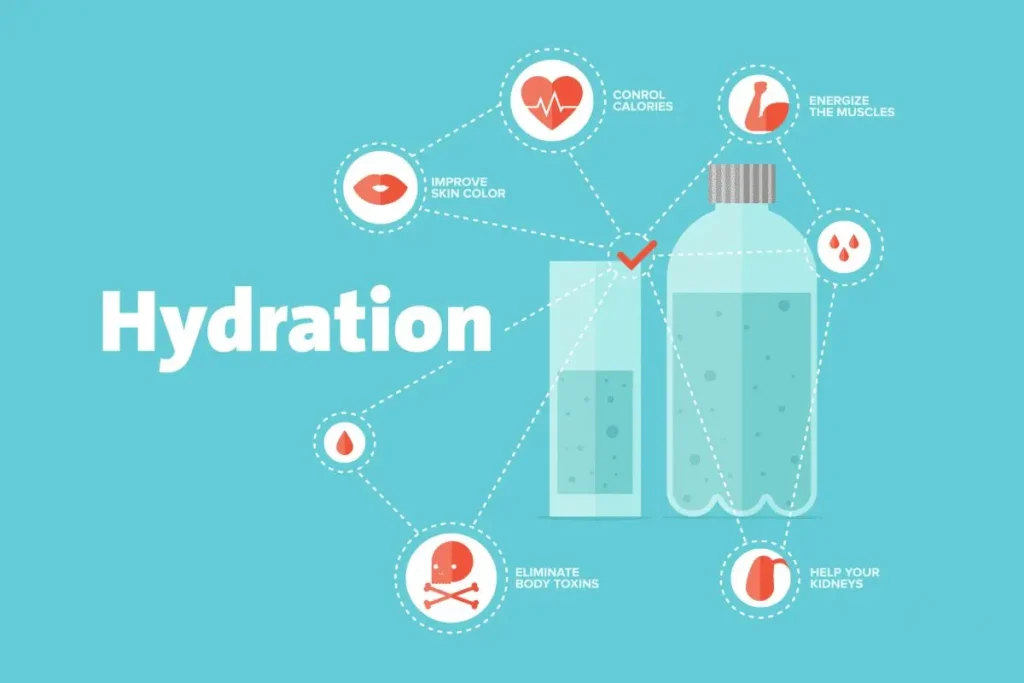
Hydration affects both physical and mental health. Drinking enough water supports many vital processes and helps the body perform efficiently.
Some key reasons hydration is important include:
- Maintaining energy levels
- Supporting brain function
- Improving digestion
- Helping regulate body temperature
- Promoting healthy skin
The benefits of drinking enough water go far beyond simply quenching thirst.
How Much Water Do You Really Need?
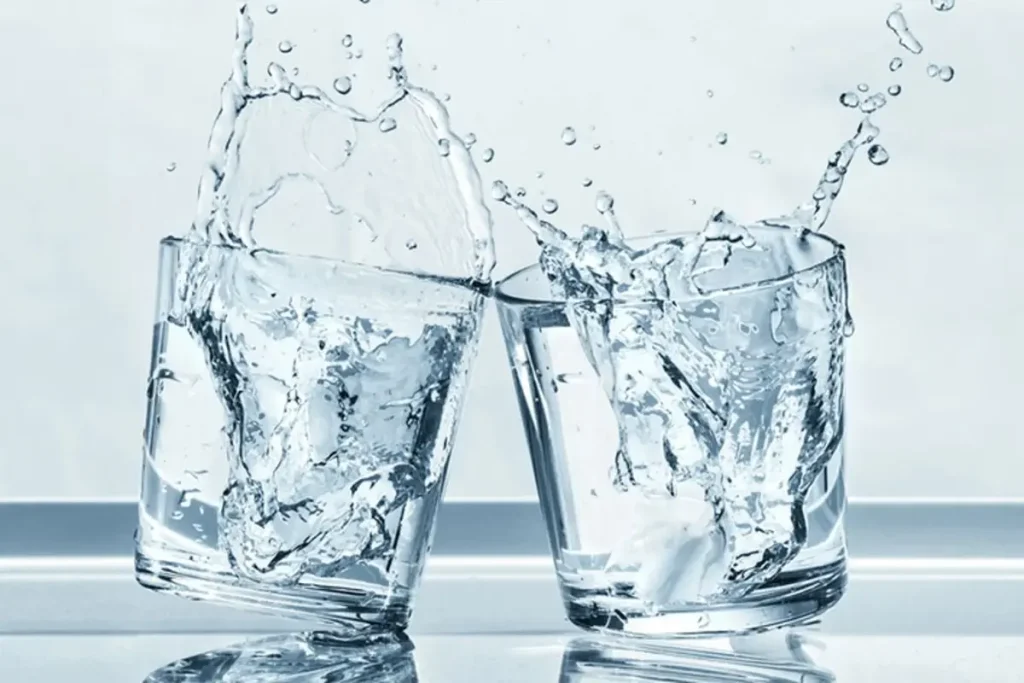
There is no single number that applies to everyone when it comes to daily water intake. However, health experts often suggest general guidelines.
General Daily Recommendations
Typical daily water intake recommendations include:
- About 2.7 liters for women
- About 3.7 liters for men
This total includes fluids from drinks as well as water from foods such as fruits and vegetables.
Factors That Affect Water Needs
Several factors can influence how much water your body requires.
Physical Activity
People who exercise or engage in physical labor lose more fluids through sweat. As a result, they need additional water to stay hydrated.
Climate
Hot and humid weather increases sweating, which raises the body’s need for water.
Health Conditions
Certain illnesses such as fever or infections may increase fluid requirements.
Diet
Foods high in salt or protein may increase the need for additional hydration.
Best Sources of Hydration
Water is the best and most natural way to stay hydrated. However, fluids can also come from other sources.
Healthy hydration sources include:
- Drinking water
- Herbal teas
- Fresh fruit juices
- Milk
- Fruits such as watermelon and oranges
These options help support daily water intake while providing additional nutrients.
Benefits of Drinking Enough Water
Proper hydration offers many important health benefits.
- Improves energy levels
- Supports brain function
- Helps digestion
- Promotes healthy skin
- Regulates body temperature
- Helps remove toxins from the body
- Supports kidney health
- Improves physical performance
These benefits show why maintaining proper hydration for health is essential.
Risks of Not Drinking Enough Water
When the body does not receive enough fluids, dehydration may occur. Even mild dehydration can cause noticeable symptoms.
Possible risks include:
- Headaches
- Fatigue
- Dizziness
- Dry skin
- Poor concentration
Severe dehydration may lead to serious health problems, so maintaining adequate daily water intake is very important.
Common Hydration Mistakes
Many people unintentionally make mistakes when it comes to staying hydrated.
Common mistakes include:
Ignoring thirst signals
Drinking too many sugary beverages
Replacing water with soft drinks
Forgetting to drink water during busy days
Not increasing water intake during exercise
Avoiding these mistakes helps maintain better hydration habits.
How much water should I drink daily?
Most adults need around 2–3 liters of water per day, but the exact amount depends on activity level and climate.
Can I drink too much water?
Yes. Drinking excessive water can lead to a condition called water intoxication, although it is rare.
Do fruits help with hydration?
Yes. Fruits like watermelon, oranges, and strawberries contain high water content and support hydration.
Is thirst a reliable indicator of dehydration?
Thirst is usually a good signal that the body needs fluids, but it is better to drink water regularly before becoming very thirsty.
Does coffee count as hydration?
Coffee does contribute to daily fluid intake, but it should not replace water completely.
How can I remember to drink more water?
Carrying a water bottle and setting reminders can help build a regular hydration habit.
Expert Tips for Staying Hydrated
Health experts recommend several simple strategies to maintain hydration.
- Drink a glass of water after waking up
- Carry a reusable water bottle
- Eat water-rich fruits and vegetables
- Drink water before meals
- Increase water intake during exercise
These small habits can make staying hydrated easier.
Conclusion
Hydration: How Much Water Do You Really Need is an important question for anyone trying to maintain good health. Water supports nearly every system in the body, including digestion, circulation, and temperature regulation. Without proper hydration, the body cannot function efficiently.
Understanding daily water intake needs helps individuals maintain energy, improve focus, and support overall wellness. While general guidelines provide useful estimates, the exact amount of water a person needs can vary depending on factors such as activity level, climate, and overall health.
The benefits of drinking enough water are significant. Proper hydration supports brain function, improves digestion, promotes healthy skin, and helps remove toxins from the body. By making simple habits such as drinking water regularly and eating water-rich foods, it becomes easier to maintain proper hydration for health.
Ultimately, staying hydrated is one of the simplest yet most effective ways to support long-term health. By paying attention to the body’s needs and maintaining consistent hydration habits, individuals can feel more energetic, focused, and physically balanced every day.