
Introduction
Diabetes is one of the most common health conditions worldwide, affecting millions of people every year. It is a metabolic disorder in which the body either cannot produce enough insulin or cannot use it effectively, leading to elevated blood sugar levels. If left untreated, diabetes can result in severe complications such as heart disease, kidney failure, vision problems, and nerve damage. Early detection and prevention are essential for managing this condition and maintaining a healthy lifestyle.
Understanding the common symptoms and prevention of diabetes is crucial for everyone, whether you are at risk or already living with the condition. Recognizing warning signs early can help you take timely action and avoid complications. Additionally, adopting preventive measures like a balanced diet, regular exercise, and routine health check-ups can significantly reduce your risk.
In this comprehensive guide, we will explore what diabetes is, its common symptoms, why early detection is important, and effective strategies to prevent the disease. We will also discuss benefits, risks, common mistakes to avoid, and expert tips to manage and prevent diabetes effectively. This article is tailored for beginners and intermediate readers, using simple language and practical advice to help you understand and take control of your health.
What is Diabetes?
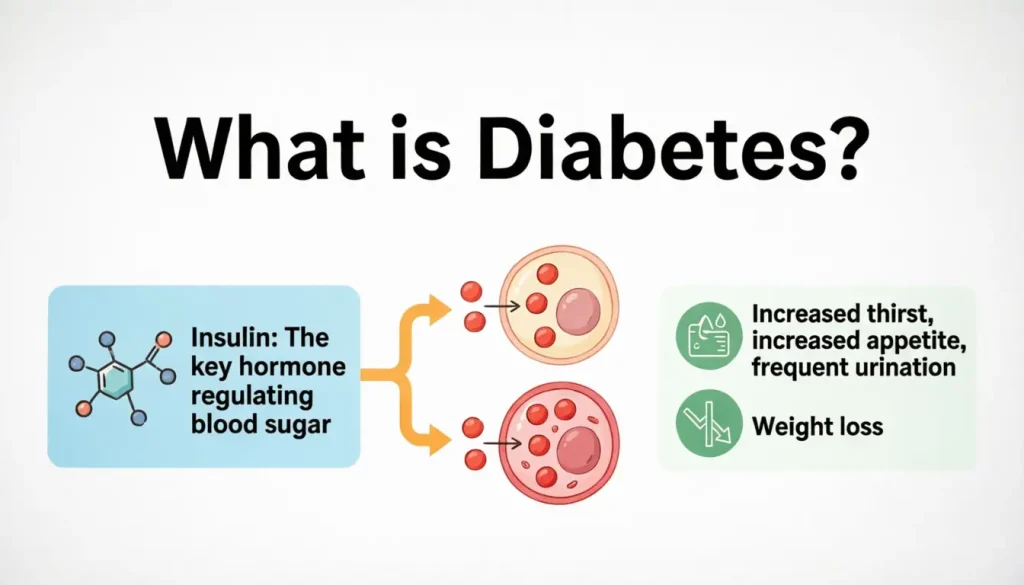
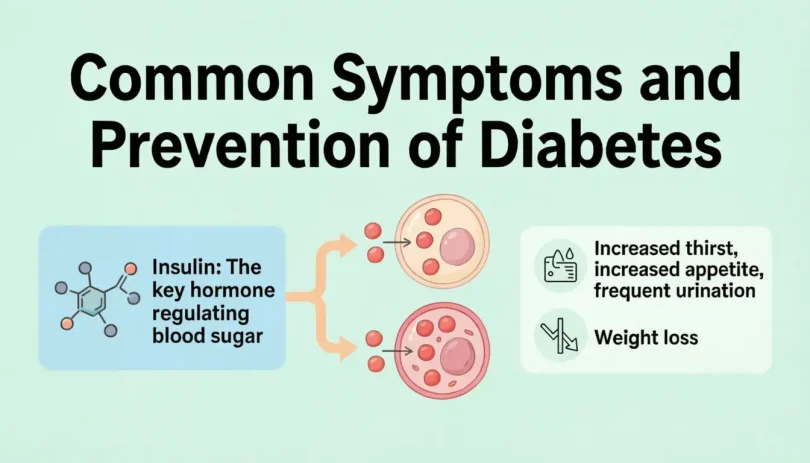
Diabetes is a chronic health condition characterized by high levels of sugar (glucose) in the blood. Glucose is the main source of energy for the body, and insulin, a hormone produced by the pancreas, helps regulate blood sugar. When the body does not produce enough insulin or cannot use it properly, glucose builds up in the bloodstream, leading to diabetes.
There are several types of diabetes, but the most common ones include:
Type 1 Diabetes: An autoimmune condition where the body attacks insulin-producing cells. Usually develops in childhood or adolescence.
Type 2 Diabetes: The most common type, often related to lifestyle factors such as poor diet, obesity, and lack of exercise. The body becomes resistant to insulin.
Gestational Diabetes: Occurs during pregnancy and may increase the risk of type 2 diabetes later in life.
Understanding the type of diabetes is essential for determining the right management and prevention strategies.
Why is Understanding Diabetes Important?
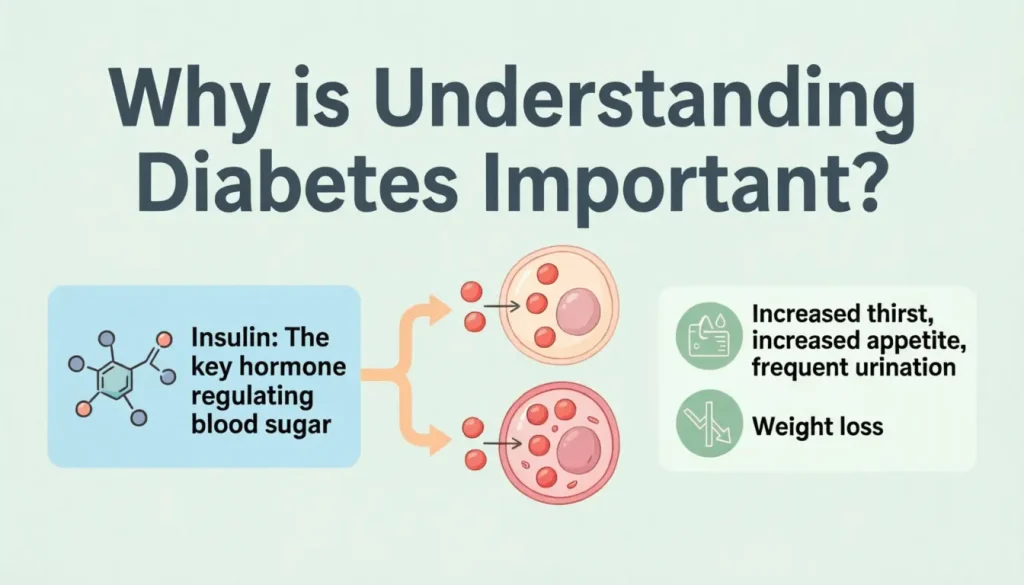
- Diabetes is a silent condition, meaning many people may have it without realizing it. Early detection is critical to avoid severe complications. Knowing the common symptoms and prevention of diabetes allows you to take proactive measures.
- Prevents long-term complications like heart disease, kidney failure, and vision loss
- Helps maintain a healthy lifestyle and body weight
- Improves overall energy and quality of life
- Reduces the financial and emotional burden of chronic illness
- Education about diabetes empowers individuals to make healthier choices, ensuring longevity and well-being.
Detailed Step-by-Step Guide to Recognize and Prevent Diabetes
Step 1: Recognize the Common Symptoms
- Identifying the early warning signs can make a huge difference. Common symptoms include:
- Increased thirst and frequent urination
- Extreme hunger
- Unexplained weight loss
- Fatigue and weakness
- Blurred vision
- Slow-healing wounds or frequent infections
- Numbness or tingling in hands or feet
- Recognizing these symptoms early can lead to timely testing and treatment.
Step 2: Maintain a Healthy Diet
- Nutrition plays a critical role in preventing type 2 diabetes. Focus on:
- Eating more fruits, vegetables, and whole grains
- Choosing lean proteins like chicken, fish, and legumes
- Limiting sugary beverages and processed foods
- Reducing refined carbohydrates such as white bread and pasta
- Monitoring portion sizes to maintain healthy body weight
- A balanced diet helps regulate blood sugar levels and prevents insulin resistance.
Step 3: Exercise Regularly
- Physical activity improves insulin sensitivity and helps control blood sugar levels. Recommended exercises include:
- Brisk walking or jogging for 30 minutes daily
- Strength training 2–3 times a week
- Yoga or stretching exercises to reduce stress
- Cycling or swimming for cardiovascular health
- Consistency is key. Even moderate daily exercise can significantly lower diabetes risk.
Step 4: Monitor Your Health
- Regular health check-ups and monitoring are essential:
- Check fasting blood sugar and HbA1c levels regularly
- Track body weight and body mass index (BMI)
- Keep a record of blood pressure and cholesterol levels
- Consult a doctor if you notice any early symptoms
- Early detection ensures timely intervention and better management.
Step 5: Manage Stress and Sleep
- Chronic stress and poor sleep can increase the risk of type 2 diabetes:
- Practice mindfulness, meditation, or deep breathing exercises
- Maintain a consistent sleep schedule with 7–9 hours of rest
- Avoid late-night snacking and excessive caffeine
- Engage in relaxing hobbies to reduce stress
- Proper stress management improves insulin function and overall well-being.
Step 6: Avoid Harmful Habits
- Lifestyle habits greatly influence diabetes prevention:
- Quit smoking, as it increases insulin resistance
- Limit alcohol consumption
- Avoid prolonged sedentary behavior
- Small daily changes can make a big difference in long-term health.
Benefits of Understanding and Preventing Diabetes
- Reduced risk of chronic health complications
- Improved energy levels and productivity
- Better mental and emotional well-being
- Longevity and enhanced quality of life
- Financial savings from avoiding medical expenses
Disadvantages / Risks of Untreated Diabetes
Increased risk of heart disease and stroke
- Kidney damage or failure
- Vision problems or blindness
- Nerve damage causing pain or numbness
- Frequent infections and slow healing
Common Mistakes to Avoid
- Ignoring early warning signs
- Relying solely on medication without lifestyle changes
- Consuming high-sugar or processed foods frequently
- Skipping regular blood sugar tests
- Neglecting stress management and sleep
What are the earliest symptoms of diabetes?
Early symptoms include excessive thirst, frequent urination, fatigue, blurred vision, and unexplained weight loss.
Can type 2 diabetes be prevented?
Yes, type 2 diabetes can often be prevented through healthy diet, regular exercise, weight management, and routine check-ups.
How is diabetes diagnosed?
Diabetes is diagnosed through blood tests, including fasting blood sugar, HbA1c, and oral glucose tolerance tests.
Can lifestyle changes reverse diabetes?
While type 1 cannot be reversed, type 2 diabetes can be managed and sometimes reversed through diet, exercise, and weight loss.
Are there natural ways to lower blood sugar?
Yes, regular exercise, eating high-fiber foods, avoiding sugar, and managing stress can help lower blood sugar naturally.
Is diabetes hereditary?
Family history can increase the risk, but lifestyle factors play a significant role in prevention and management.
Expert Tips & Bonus Points
- Maintain a food journal to track what you eat and identify triggers
- Include fiber-rich foods like oats, beans, and vegetables
- Stay hydrated and avoid sugary drinks
- Regularly check blood pressure and cholesterol along with blood sugar
- Schedule annual health screenings for early detection
- Educate family and friends about diabetes prevention
Conclusion
Diabetes is a serious yet manageable condition. Recognizing the common symptoms and prevention of diabetes is crucial for leading a long and healthy life. Early detection, combined with proper diet, regular exercise, stress management, and routine health monitoring, can prevent or delay the onset of type 2 diabetes and reduce complications for those already affected.
Taking proactive steps today can ensure better health tomorrow. Remember, small lifestyle changes can make a big difference. Educate yourself, stay active, and make informed decisions about your health. Health is wealth, and preventing diabetes is a lifelong investment in your well-being.